What We'll Cover Today
- Past Irregulars: estar & poder~10 min
- Past Irregulars: poner & decir~10 min
- Comparatives: más / menos~10 min
- Vocab: Life Milestones~7 min
- Story Building Activity~8 min
- Review Quiz~5 min
Past Irregular: estar (to be)
The verb estar (to be - location/feeling) changes to the estuv- stem.
Ayer estuve en la oficina todo el día.
Yesterday I was in the office all day.
| tú | estuviste | you were |
| él/ella/Ud. | estuvo | he/she/you were |
| nosotros | estuvimos | we were |
| ellos/ellas/Uds. | estuvieron | they/you all were |
Past Irregular: poder (to be able to)
The verb poder (can/to be able to) changes to the pud- stem.
No pude ir a la fiesta.
I couldn't go to the party.
| tú | pudiste | you could |
| él/ella/Ud. | pudo | he/she/you could |
| nosotros | pudimos | we could |
| ellos/ellas/Uds. | pudieron | they/you all could |
Sentence Reorder
Build the sentence: "We couldn't sleep well yesterday."
Spot the Mistake
Find and click the incorrect word:
Past Irregular: poner (to put)
The verb poner (to put) changes to the pus- stem.
Puse mis llaves en la mesa.
I put my keys on the table.
| tú | pusiste | you put |
| él/ella/Ud. | puso | he/she/you put |
| nosotros | pusimos | we put |
| ellos/ellas/Uds. | pusieron | they/you all put |
Past Irregular: decir (to say/tell)
The verb decir (to say) changes to the dij- stem.
Le dije que sí a la invitación.
I said yes to the invitation.
| tú | dijiste | you said |
| él/ella/Ud. | dijo | he/she/you said |
| nosotros | dijimos | we said |
| ellos/ellas/Uds. | dijeron (No 'i' after the j!) | they/you all said |
Quick Check — Poner & Decir
Comparatives: más / menos
Use más (more) and menos (less) to compare things.
Irregular Comparatives
Some words don't use 'más' or 'menos'. They have their own form.
| bueno (good) | → | mejor que (better than) |
| malo (bad) | → | peor que (worse than) |
| mayor (older) | → | mayor que (older than) |
| menor (younger) | → | menor que (younger than) |
Comparatives: Describe las imágenes

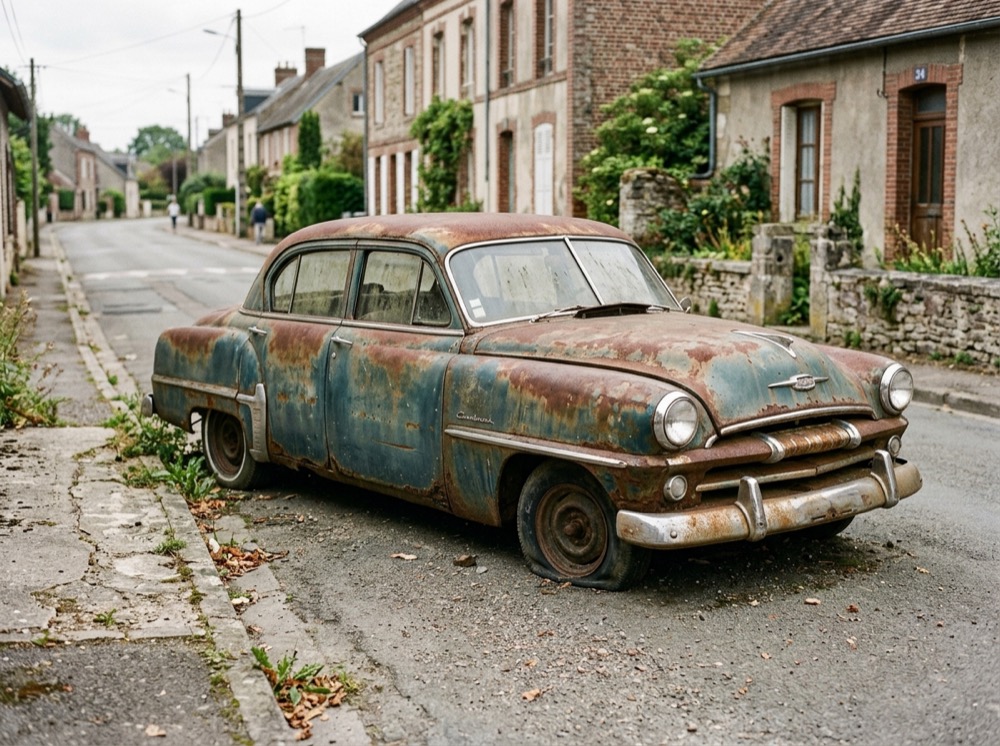
Comparatives Practice
Translate out loud:
2. Ella es más inteligente que él.
Vocab: Life Milestones (Nouns)
Talking about life stories...
Vocab: Life Milestones (Verbs)
Useful verbs for telling your story (in the past tense):
Story Building: Mi Historia
Combine what you know to tell a story.
Yo nací en Madrid en 1990. Crecí en una familia grande. Cuando tenía veinte años, estudié en la universidad y tuve muchos amigos.
Ayer, fui a la graduación de mi hermano menor. Él es más alto que yo. Él estuvo muy feliz.
Dialogue: Dos Viejos Amigos
Read the dialogue. Click the Spanish text to see the translation.
Spot the Mistake
Find and click the incorrect word:
Speaking Practice
Translate out loud:
Review Quiz
Review Quiz 2
¡Hasta luego!
¡Excelente trabajo!
You've mastered the past irregulars estar, poder, poner, and decir, learned how to make comparisons, and discussed life milestones!